By: Julia Granato
Money, Money, Money
According to Senator Mark Hanna: “There are two things that are important in politics. The first is money and I can’t remember what the second one is.” They say money doesn’t solve your problems, but that statement doesn’t always seem to hold true when it comes to the world of politics. The chart below taken from The Center of Responsive Politics puts into perspective just how much money was generated for political ad campaigns in 2018 alone. More money than ever is available in political advertising and the word on the street is that politicians with more money make up about 91% of the winning congressional candidates.
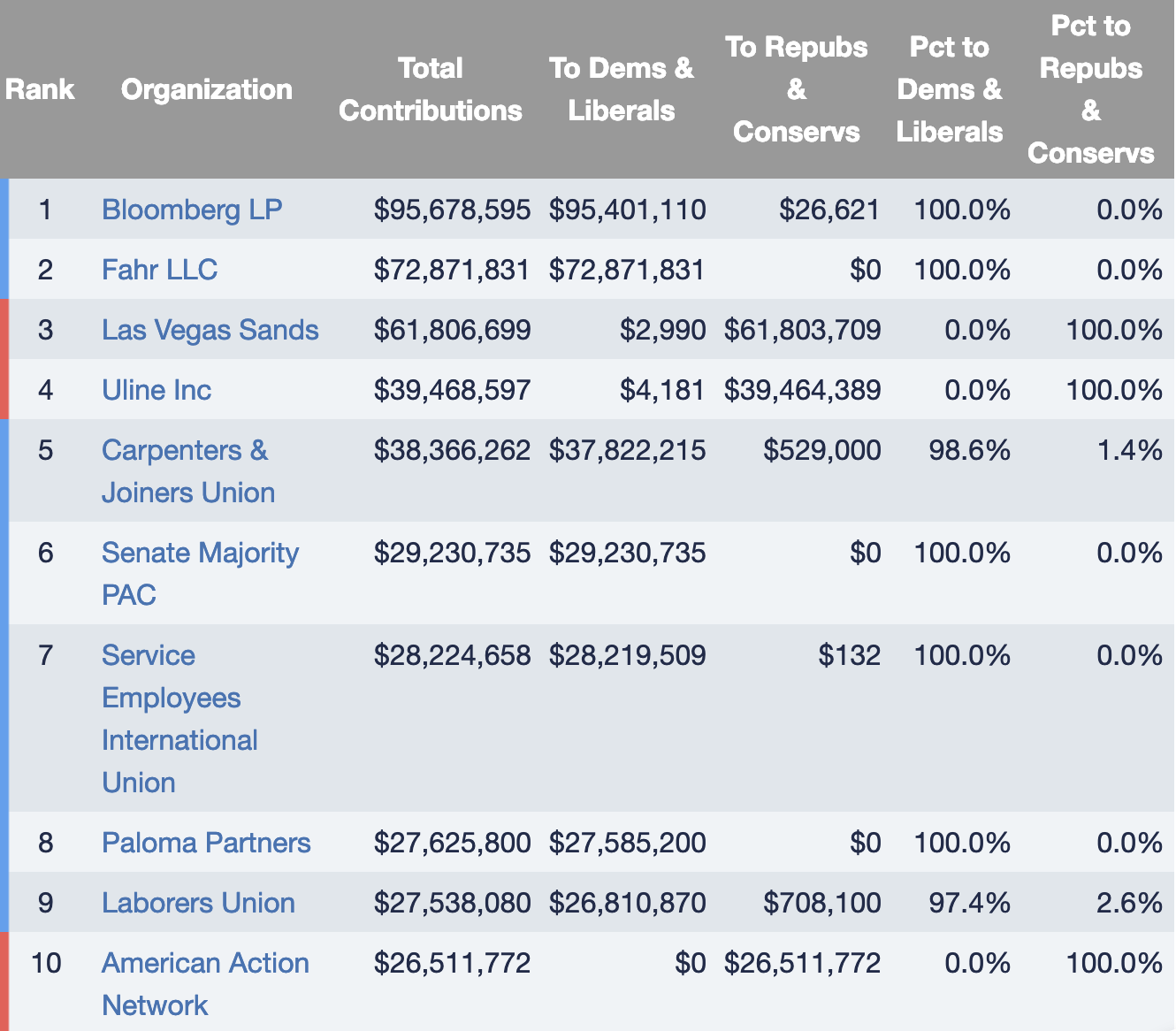
FUN FACTS: about how the winning contestants spend their money, taken from the Washington Post:
* Candidates who out-fundraised their opponents were 9 times more likely to win elections in 2012.
* Winning candidates outspend opponents by about 20 to 1
* Winning candidates on average spent $2.3 million. *Losing candidates, on average, spent $1.1 million.
Negative is Positive
Most of the time, advertisements that are broadcasted on cable television are a tactic that many politicians utilize. In order to get advertisements in place, you need to have money…and lots of it. Before the 2018 elections, it was forecasted that more money would be spent on advertising than ever before. Effective campaign advertising is not just about creating a message that is memorable to the public. The overall strategy of the politicians is to build themselves up while they tear their opponents down. This strategy is called negative advertising.
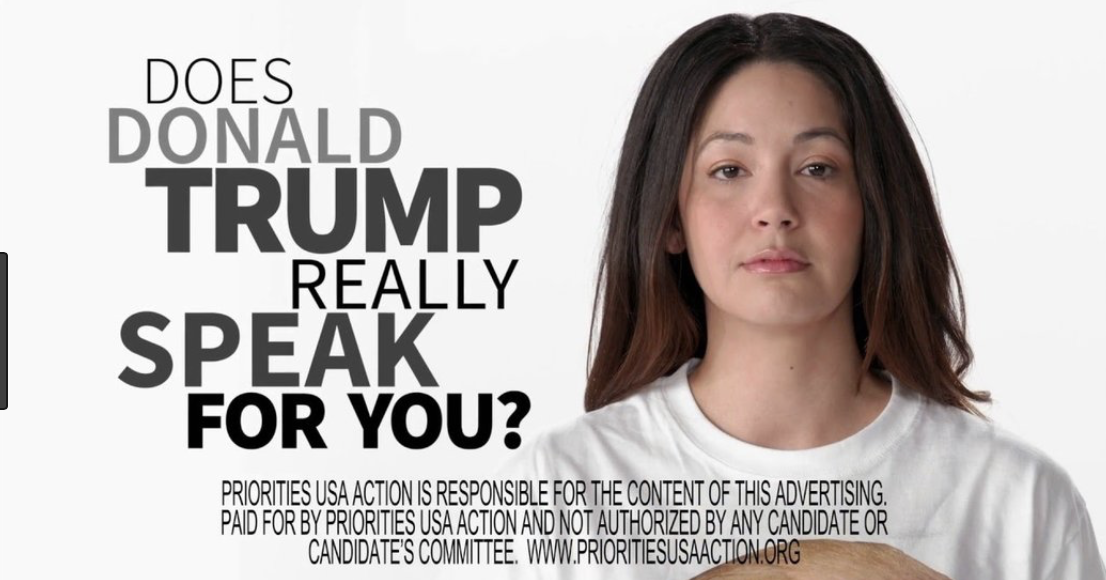
Negative advertising is more beneficial because the public is more likely to listen to the “bad” than the “good”. Advertising in its most basic understanding is a highly targeted form of communication to the broader audience. Often times with politics, we experience the spiral of silence, a phenomenon that occurs when the group that is less vocal is forced into silence. According to Elisabeth Noelle-Neumann, to an individual, it is more important to not isolate themselves than to voice their own opinions. Mass media works simultaneously with the majority of public opinion, which is why advertising is so crucial in political campaigns.
Sources:


I really liked your use of fundraising/ spending data in this post. Being able to see the figures of how much each candidate spent, and where all that money went, was very helpful in conceptualizing spending on political advertising. I also liked how you connected these trends to the spiral of silence theory. Perhaps these statements could have been even more effective if you had made that connection earlier in the post, and then outlined the effects of negative advertising following it. Overall, you showed a strong understanding of the way that course concepts connect to current issues in society.
LikeLike