By Rachel Stanley
Today, news coverage is non-stop, which also means that political coverage is running 24/7. John Vivian talks about the lessening depth and growing amount of errors in the news, but there are more consequences than the decreasing validity of news.
Because of the constant coverage of important political issues, there is not a day that goes by where I don’t think about politics. Whether I have a simple conversation, watch tv, or go on social media, I will almost always see or hear about the most recent political issue, and that is thanks to non-stop news coverage.
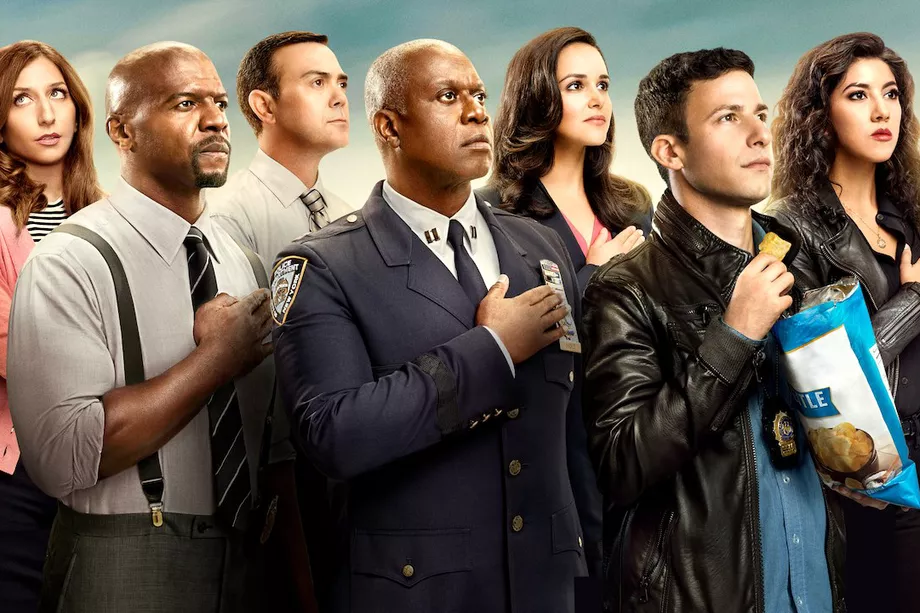
For example, I watch the sitcom Brooklyn 99, a quirky detective/workplace comedy known for its diverse cast and positive humor. The thing that separates Brooklyn 99 from other comedies is the tasteful approach to many tired tropes, as well as the way it addresses social issues, such as the tensions between police and African Americans.
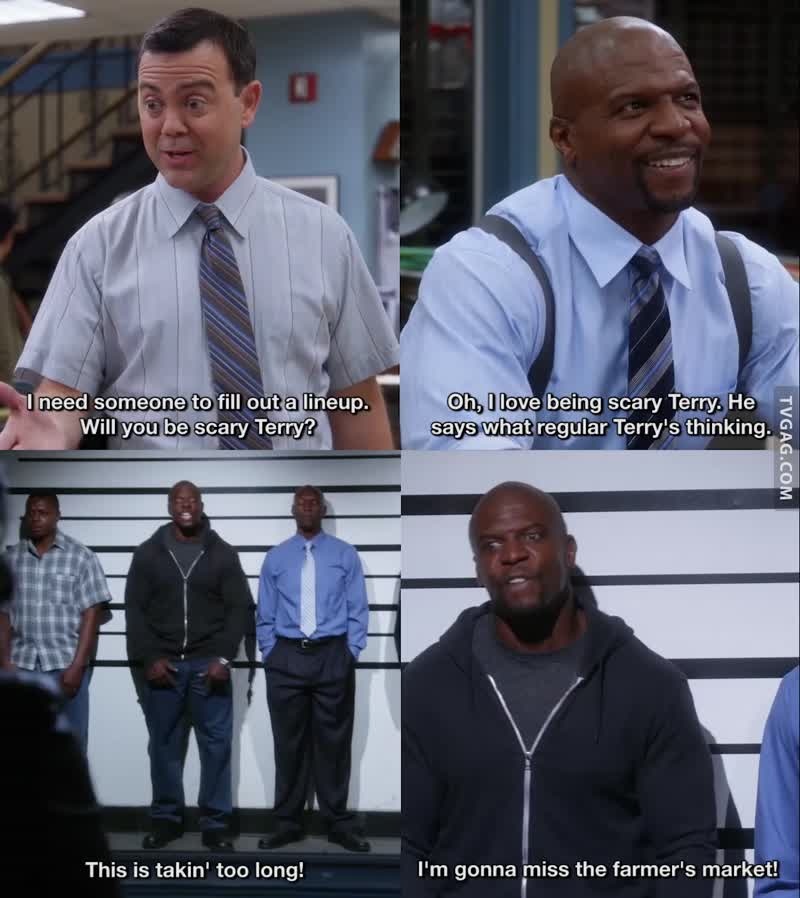
One character, Sergeant Jeffords, is known for being big softie, especially with his wife, kids, and friends. The only catch, he is played by Terry Crews. For reference, Crews is known for being the “Fittest Man in Hollywood” and makes pretty much anyone around him look tiny. Because of this, he can be intimidating at first, and is sometimes asked to fill police lineups as “Scary Terry”.
Terry is a kind friend, loving family man, and diligent sergeant, but in one episode described by the Washington Post, when he is out at night looking for his daughter’s lost toy, another police officer pulls him aside and because he looks suspicious, although we in the audience know it’s because Terry is a big black man. This episode of Brooklyn 99 parallels current issues in America and reveals them for what the truly are: nothing more than accusations based on deep-seated racism.
I was impressed with Brooklyn 99’s ability to convey the issues in a way that made people want to listen, similar to the two-step flow. In this case, the opinion leaders were the characters and actors that we trust. With this method, the show was able to display racial profiling in a way that white viewers could understand and sympathize with by using a beloved character that they knew before the incident. Since the audience knew Terry, they also knew that there was no way he could ever be “suspicious”, unless he was judged on his appearance alone.
Sources:
Media of Mass Communication by John Vivian
Vox- “tasteful approach”
“The Fittest Man in Hollywood”
Washington Post
 Politics in Mass Media
This post discusses a very real life problem we are faved with every day. We see videos, news articles and videos of ill-treatment of African Americans by white police officers all over social media. I find it interesting that you chose to use a TV show to exemplify racial profiling, since most people probably wouldn’t even think twice about what they are viewing since “it’s just acting.” I’ve never actually watched this show before, but in reality, I’m sure most viewers aren’t even really aware of what message the show is trying to send since this typical stereotyping is something that occurs daily; we as a whole population need to be more aware of our actions and our reactions to those of different races.
LikeLike