By: Tess Lesesne
The Facebook Election
The 2008 election was one of the first presidential elections where we saw social media use start to have a strong effect on how candidates interacted with potential voters. Candidates used platforms such as Facebook, Twitter, and Instagram in order to connect and interact with their supporters. President Obama was particularly successful using these tactics, and was able to drum up huge grassroots support movement of more than 5 million followers. While the Obama campaign’s use of social media to inform the public of platforms and assist with fundraising was important, it became even more influential when that support translated into actual votes.
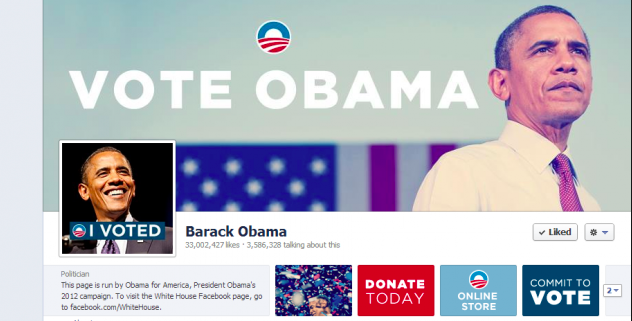
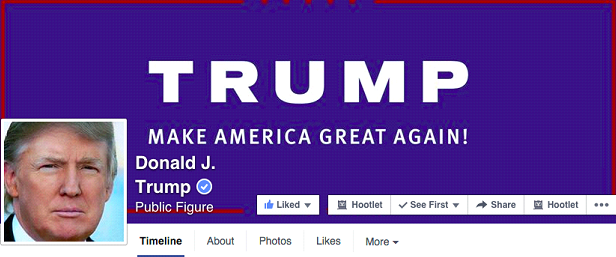
Since the 2008 election, social media has only gotten more and more popular and pervasive in American society. While the Obama campaign’s use of social media was novel and interesting, it is now seen as essential for political candidates to have at least some sort of social media presence. This was exemplified perfectly during the 2016 election, when Trump’s Twitter account took on a life of its own. However, Trump did not gain millions of followers due to his superior publication of important campaign information. He did it by scandal, and by provoking those who opposed him. Other candidates, such as Clinton and Bush, tried the opposite approach of staying away from the potential scandal minefield created by outlets such as Twitter. While there are positives to this strategy, it can bring serious drawbacks in today’s networked world. Candidates must post in order to stay relevant.
Scandal Sells
Let’s Argue
One of the most important and, for most of us, noticeable, side effects of increased political presence on social media is the massive increase in user generated content surrounding current political issues, especially during election cycles. Most people cannot login to Twitter or Facebook without seeing at least one political post, which often spark a waterfall of comments where people debate their opinion on the topic. The interesting thing about this trend is that nothing is making us engage in these debates, we seem to enjoy it. This only serves to increase the divide in our already highly polarized political environment. Additionally, an increase in user generated content leads to an increased need for reader’s media literacy (Vivian). Before inserting yourself into a Facebook argument, pause and ask yourself: “is this article even reputable?” Many people would benefit from a minute or two of fact checking before commenting about their political opinions.
Sources
Journal of Political Marketing
The Media of Mass Communication. Vivian, John.
 Politics in Mass Media